.png)
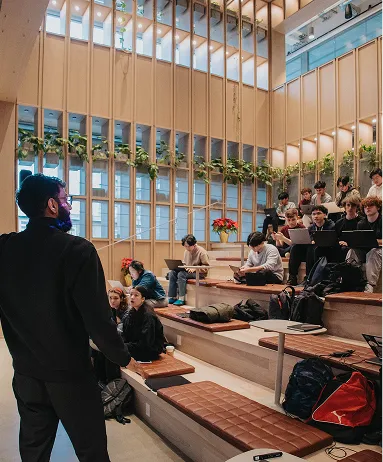
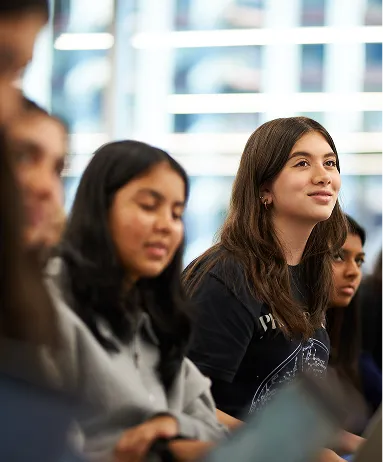
Shyness isn't something to fix. It's usually fear about social situations. Introversion is different. It's about how much stimulation drains a person versus energizes them. Most people treat the two as the same problem. And most environments built for teenagers, classrooms especially, weren't designed with either one in mind. That's the real starting point for a genuine confidence building program for teens: the mismatch, not the teen.
The Real Reason Shy Teens Struggle to Build Confidence
Estimates vary, but researchers generally put introverts somewhere between 16% and 50% of the population, depending on how the trait is measured. That's a wide range, but even at the low end, it's a large share of any classroom. A peer-reviewed study of ninth graders in Finland found something more specific and more useful: introverted students reported receiving less perceived support from classmates than their more socially active peers. That's not a personality flaw showing up in the data. It's a structural gap, quieter students getting less support in the exact setting that's supposed to be building them up.
Why There's No Real System for Introverted Teens to Build On
Most advice for a shy teen is some version of "put yourself out there." That advice assumes more exposure is the fix. For a genuinely shy teen, more forced exposure usually just means more anxiety. For an introverted teen, it usually just means more exhaustion. What's actually missing is simpler: a place to build real skill first, somewhere quieter, before being asked to perform that skill in front of a crowd.
How TKS Approaches This Differently
TKS sees the goal as building real confidence and ambition through actually making things that matter, not performing enthusiasm a student doesn't feel. That's a different starting point than a typical public speaking program for teenagers, which is usually built around talking for its own sake.
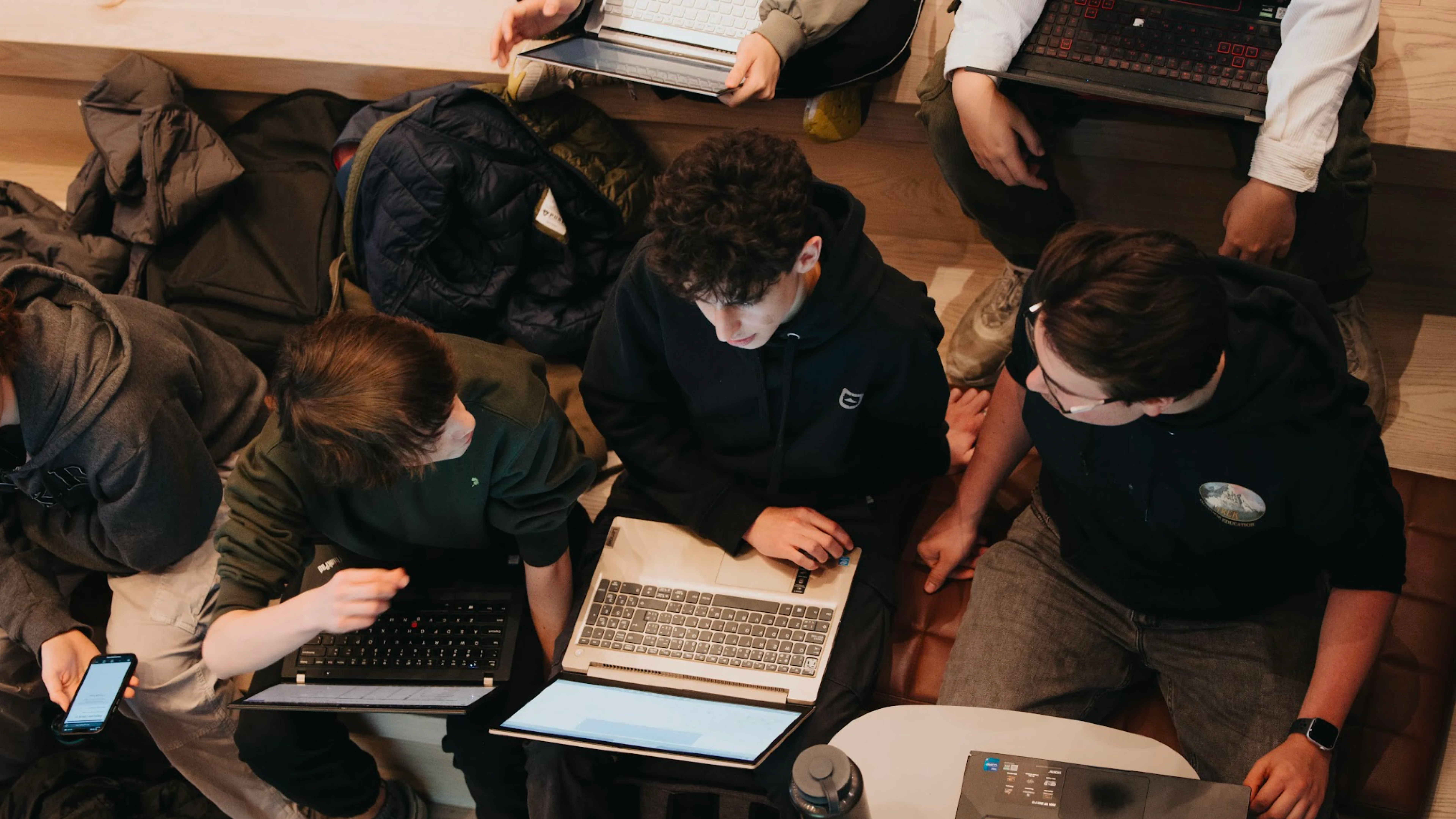
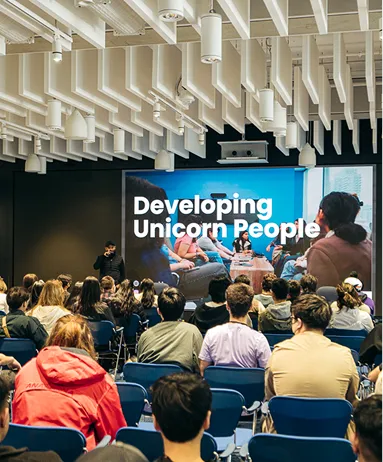
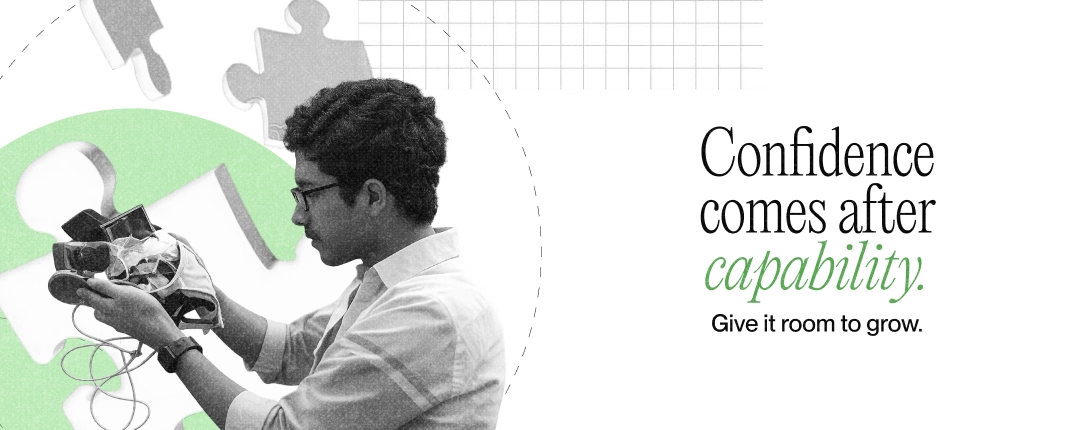
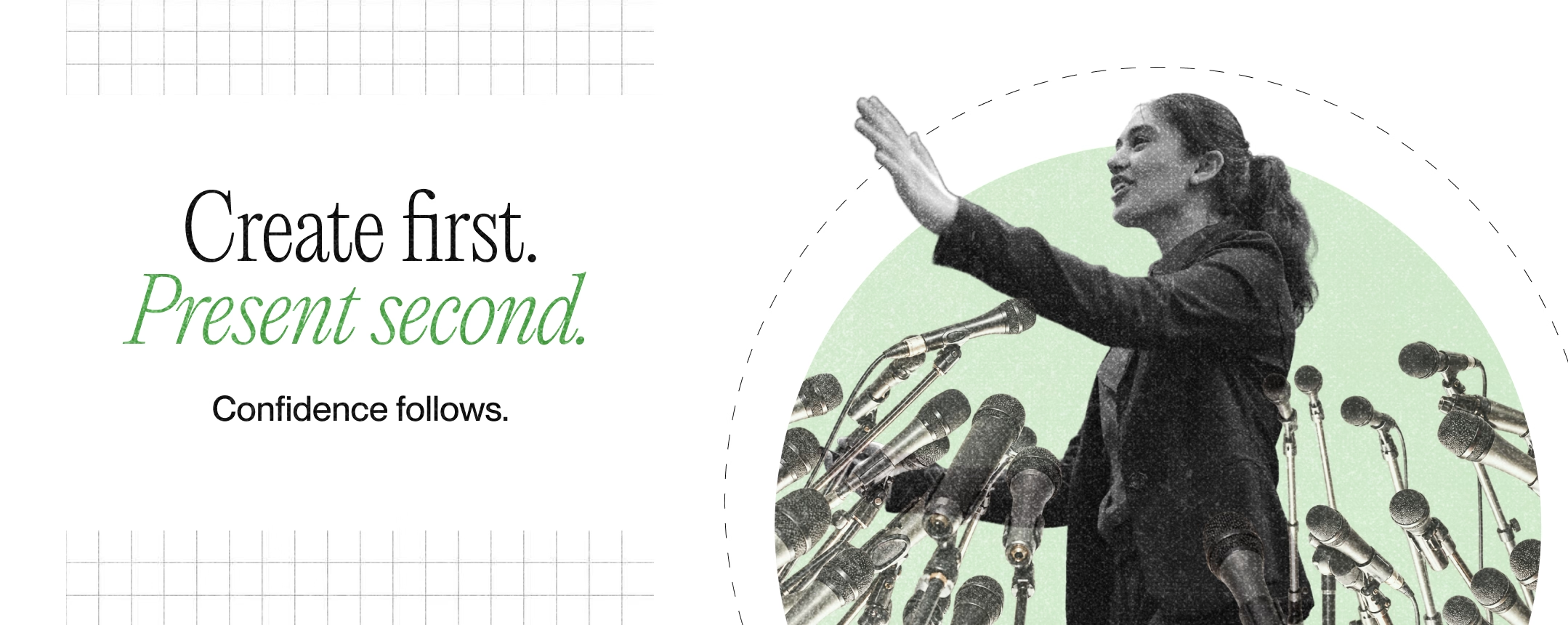
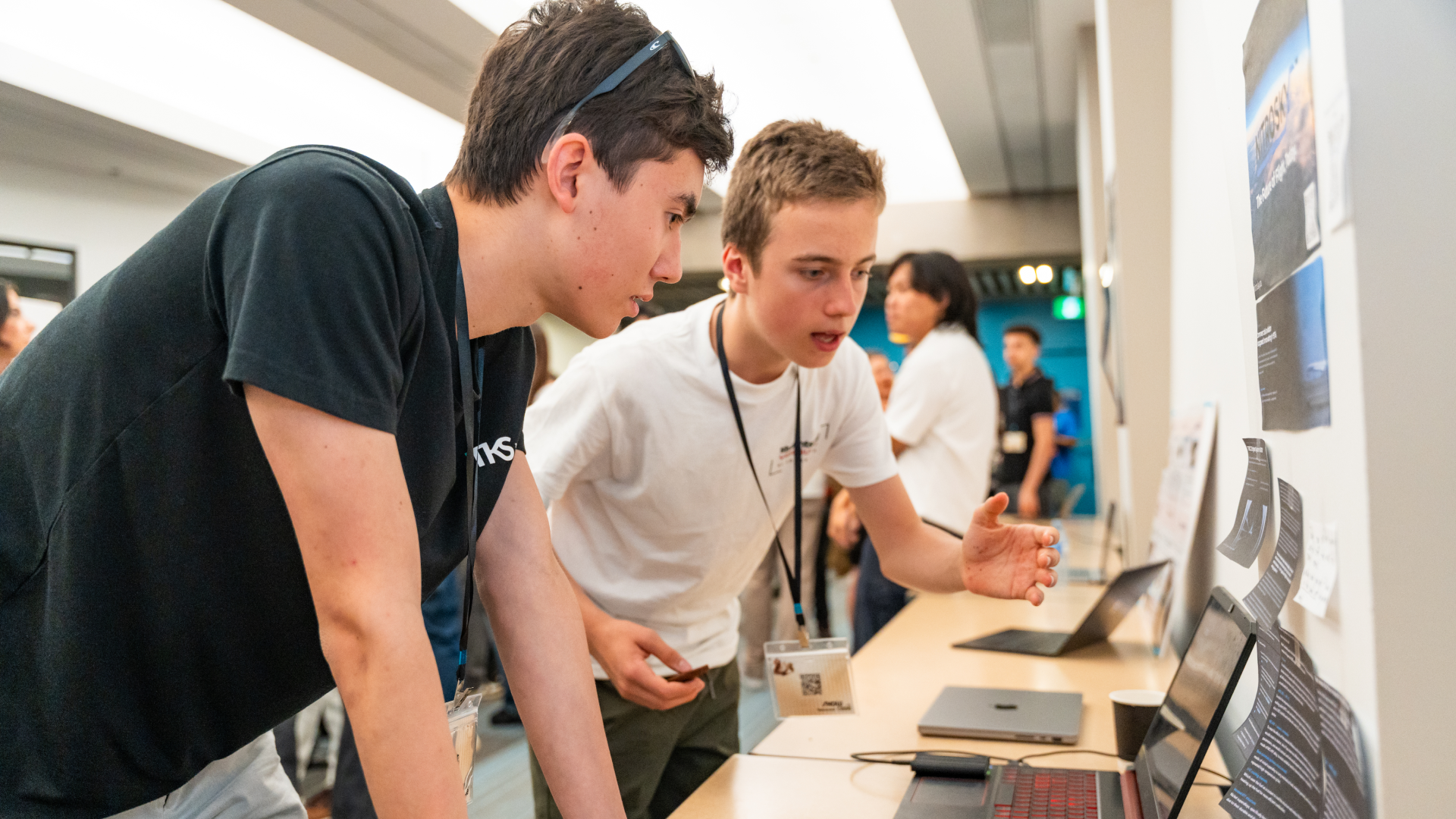
In practice, presenting comes after building, not instead of it. TKS is built around creating real moments for students and adapting to each one, rather than pushing everyone through the same script on the same timeline. Students work with mentors on a real project first, get feedback in smaller settings along the way, and only later present that work to a room of industry professionals and peers. By then, a quiet student isn't talking to fill air. They're explaining something they understand better than almost anyone else in the room.
Built for Introverts, Not Around Them
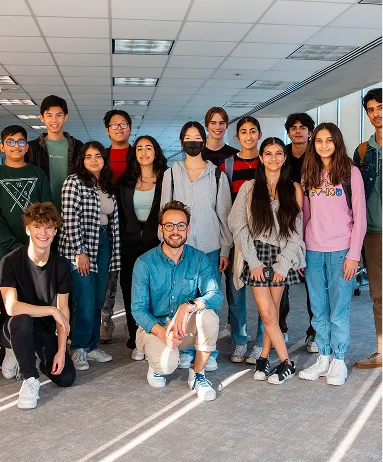
A program for shy teenagers has to actually work for the students it claims to help. Across the program, students build somewhere between 15 and 20 meaningful relationships with peers, mentors, and program directors, backed by a network of more than 200 mentors. That's a very different setup than one teacher managing thirty students at once. A quiet student isn't competing for attention. They have specific people paying attention to how they're actually doing.
TKS's approach is about helping students learn how to learn and apply their own skills, not pushing them to become louder than they naturally are. The goal was never to make a quiet student noisy. It's making sure their ideas don't stay quiet along with them.
You Don't Have to Become an Extrovert to Succeed
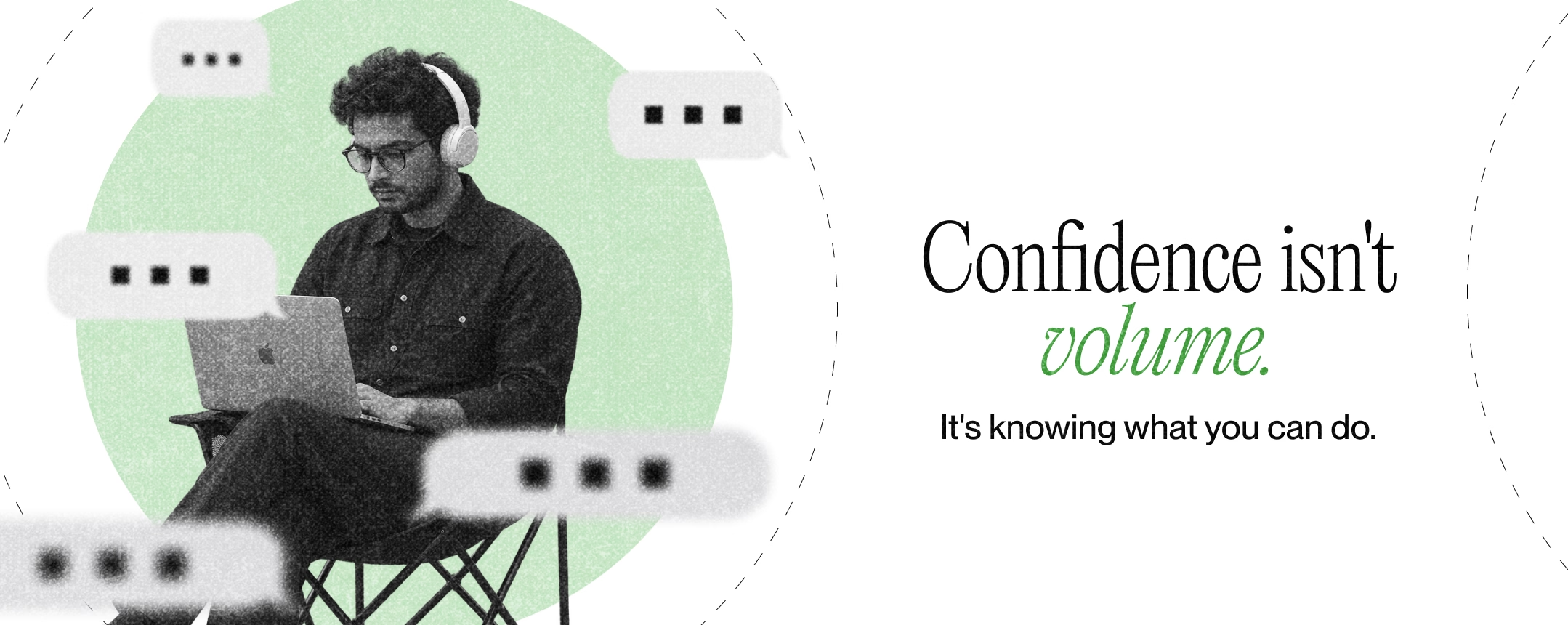
Confidence and extroversion are not the same thing, and this is worth saying directly, since most overcome social anxiety programs for teens' content gets it wrong. A student can leave, still preferring a quiet room to a loud one, still needing time alone before they speak, and still be genuinely confident in what they're capable of building.
Most education gets one thing right, either rigor or exposure, rarely both. Real confidence needs both: the rigor of actually being good at something, and just enough real exposure to prove it to yourself. Neither requires becoming a different personality type. It's more a decision-making shift than a personality shift: students who think clearly about what actually matters to them become more confident in the paths they choose, regardless of how outgoing they are.
FAQs
Is there a specific program that helps shy or introverted teens build real confidence?
Yes. Programs built around real project work and mentorship, rather than generic public speaking practice, tend to work better for introverted and shy teens specifically because the confidence comes from demonstrated competence, not forced social exposure.
How can I help my introverted teenager come out of their shell?
Give them something real to get good at, with consistent feedback from people who take their work seriously. For introverted teens, confidence tends to follow competence more reliably than direct social pressure does.
What does TKS actually do differently to help a shy teen than a typical public speaking class?
Presenting comes after building, not instead of it. Students develop a real project with mentor support first, in smaller settings, and only later present to a larger panel, so by the time they're speaking, they have something substantial to say.
Does TKS force introverted students into constant public speaking, or is the approach more gradual?
The structure is built around escalating, real-stakes moments rather than constant forced exposure. Mentor check-ins and smaller feedback sessions come first, with larger presentations happening once a student has real work behind them.
How long does it typically take for a shy teen to visibly gain confidence in a program like this?
This varies by student, and TKS doesn't publish a fixed timeline for this outcome. What tends to matter more than a set number of weeks is consistent, specific feedback and a project the student actually cares about.
Can an introverted teen still succeed at TKS if they never become naturally outgoing?
Yes. The program isn't designed to change a student's personality. It's designed to make sure their ideas and work get taken seriously regardless of how loud or quiet they naturally are.
What's the difference between confidence-building and just becoming louder or more extroverted?
Confidence is knowing, specifically, what you're capable of. Volume is just how some people express that. A student can be fully confident in their ability while remaining quiet and more comfortable in small settings than large ones.
.png)
.avif)