In Florence around 1488, a thirteen-year-old Michelangelo walked into the workshop of the city's greatest painter, Domenico Ghirlandaio. His father had resisted for years, hoping he'd choose a more respectable profession, but Michelangelo spent his childhood skipping grammar lessons to copy paintings in churches. Eventually, his father gave in.
For the first stretch of years in that workshop, Michelangelo didn't paint anything anyone would remember. He mixed pigments, prepared plaster, and copied other artists' drawings over and over. He learned the craft long before anyone trusted him with important work. Over time his talent caught Ghirlandaio's eye, who then paid him like a working artist instead of just another apprentice.
That talent eventually reached Lorenzo de' Medici, the ruler of Florence, who brought Michelangelo into the Medici gardens to study sculpture under master sculptors. He spent his teenage years there, carving under people far more skilled than him, building the craft properly.
Years later came the Pietà, David, and the Sistine Chapel ceiling, the masterpieces the world remembers him for. And those masterpieces were the result of years spent learning from masters before him.
Every Michelangelo needed a Ghirlandaio, someone whose whole job is teaching the craft before the world starts asking for results.
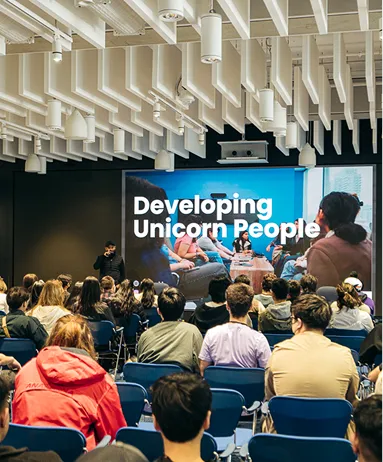
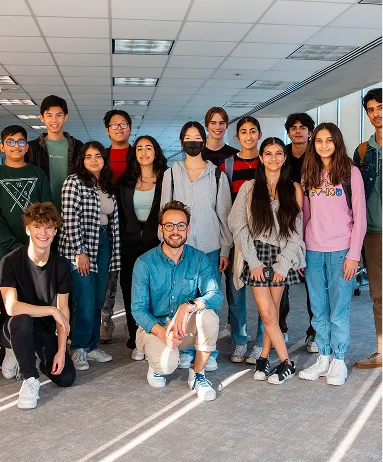
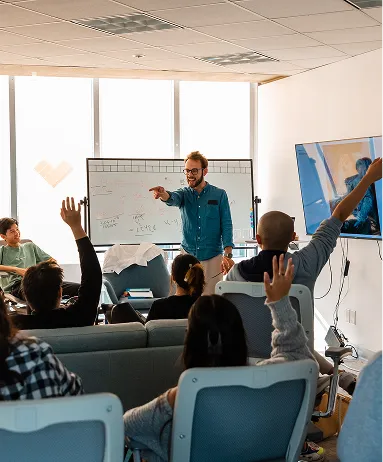
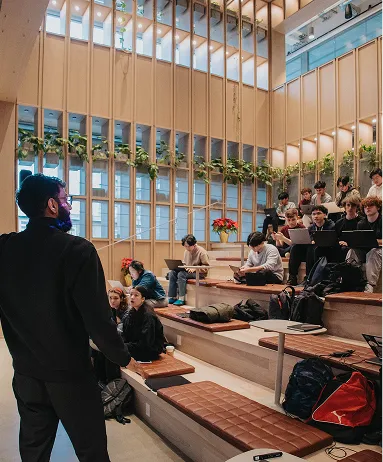
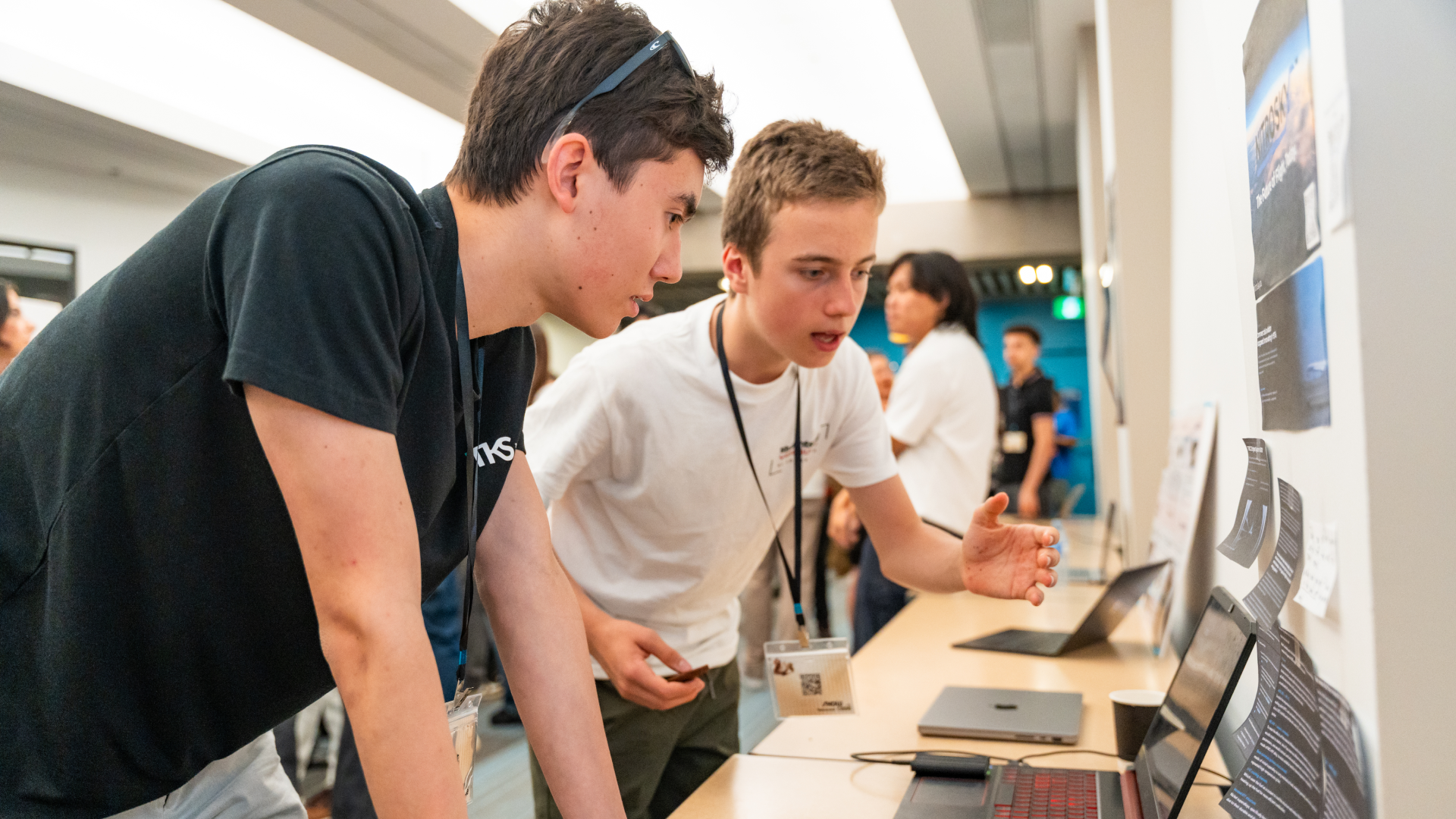
For a teenager today building in AI or software instead of working with a block of marble, that workshop might look like TKS: a year-round program for high school students who want to build things, not just learn about building them in theory. It stays a selective program for curious and ambitious teens rather than something anyone can simply sign up for.
TKS: The program built for ambitious teenagers who want to build real things
TKS is often mentioned as an alternative to Inspirit AI, an artificial intelligence program for high school students developed and taught by Stanford and MIT alumni and graduate students, for students who are looking for a more hands-on, project-based learning experience.
That reputation comes from the outcomes its students go on to achieve. Its alumni have gone on to universities like MIT, Stanford, and Harvard, and today work at companies including Google, OpenAI, SpaceX, DeepMind, Palantir, and Meta. Some have also raised venture funding, become Thiel Fellows, or landed research roles at places like NASA and the Arc Institute, all before finishing high school.
Every year, TKS students collectively spend over 200,000 hours solving real-world problems and ship more than 6,000 projects globally. The community is equally impressive, with over 7,000 alumni across 80+ countries and more than 200 industry mentors actively involved in the program.
By the end of ten months, most students have built real projects under the guidance of industry experts, gained hands-on experience, and developed a portfolio of work and credentials that set them apart.
Why do TKS students eventually end up at Y Combinator?
Because both organizations believe in the same thing: building over theorizing, and both are highly selective about who they bring in.
TKS works with curious teenagers, some as young as 13, and gets them building long before most people even think about startups. Instead of waiting until college or their first job, they spend their time solving problems, shipping projects, talking to experts, and learning by doing. Over the years, some of those students go on to build companies with real users, real traction, and real stories to tell.
That's where Y Combinator comes in.
YC backs founders who have already built something promising and are ready to take the next step. With acceptance rates hovering around 1%, the bar is incredibly high, and the founders who stand out are usually the ones who have spent years building, learning, and iterating.
That's why you'll often see TKS alumni at YC. When people start building years earlier than most, some naturally reach the stage where they're ready for a program like Y Combinator.
From TKS to YC: How Om Agarwal did it?
Om Agarwal went through TKS as a teenager, back when he was still figuring out what he wanted to build and who he wanted to build it with. Over those ten months, he worked on real projects, learned directly from mentors already in the field, and picked up the kind of hands-on experience that doesn't usually show up until much later in a career.
By the time he finished TKS, he had the skills, network, and foundation to build a company. Once he had something real, Y Combinator became the natural next step. That journey eventually led him to Goodwater Capital.
His story is a reminder that a founder’s journey usually starts long before the funding. The time he spent at TKS helped him build the skills, experience, and confidence that eventually led him to Y Combinator
FAQs
1. Is TKS the same as Y Combinator? No. TKS is a human accelerator program for teenagers, built around developing the founder before the company exists. Y Combinator is a startup accelerator that funds companies already in motion. Both matter, just at different stages.
2. What age do you have to be to apply to Y Combinator? YC has no official minimum age, but founders typically need to sign legal contracts, form a company, and relocate for three months, which puts the realistic floor around eighteen, exactly the gap a program like TKS is built to prepare teens for.
3. Can a high school student apply to Y Combinator? Technically yes, though it's uncommon without a working company and real traction already behind it. That's why the best program for ambitious teenagers who want a strong shot later is one built for their current stage, like TKS.
4. What should ambitious teens do before applying to YC? Spend time in a program that builds real skill and real projects first. TKS gives teenagers mentorship, technical depth, and hands-on experience, exactly what future founders need in high school before an accelerator like YC makes sense.
5. What is the TKS acceptance rate? TKS is highly selective, landing in the single digits once both the application and interview stages are counted. It's a program that helped teens get into MIT and Stanford, and one where alumni have gone on to Google, OpenAI, and SpaceX.
6. What is the Y Combinator acceptance rate in 2026? YC's acceptance rate has dropped to roughly one percent or below in recent batches, the lowest in its history, a reminder of how much traction a company needs before venture capital takes notice.
.png)
.png)
.avif)